Home Window Tinting Near Me: Find Quality Tinting
Date
2026-01-09 20:07:28
Category
Window
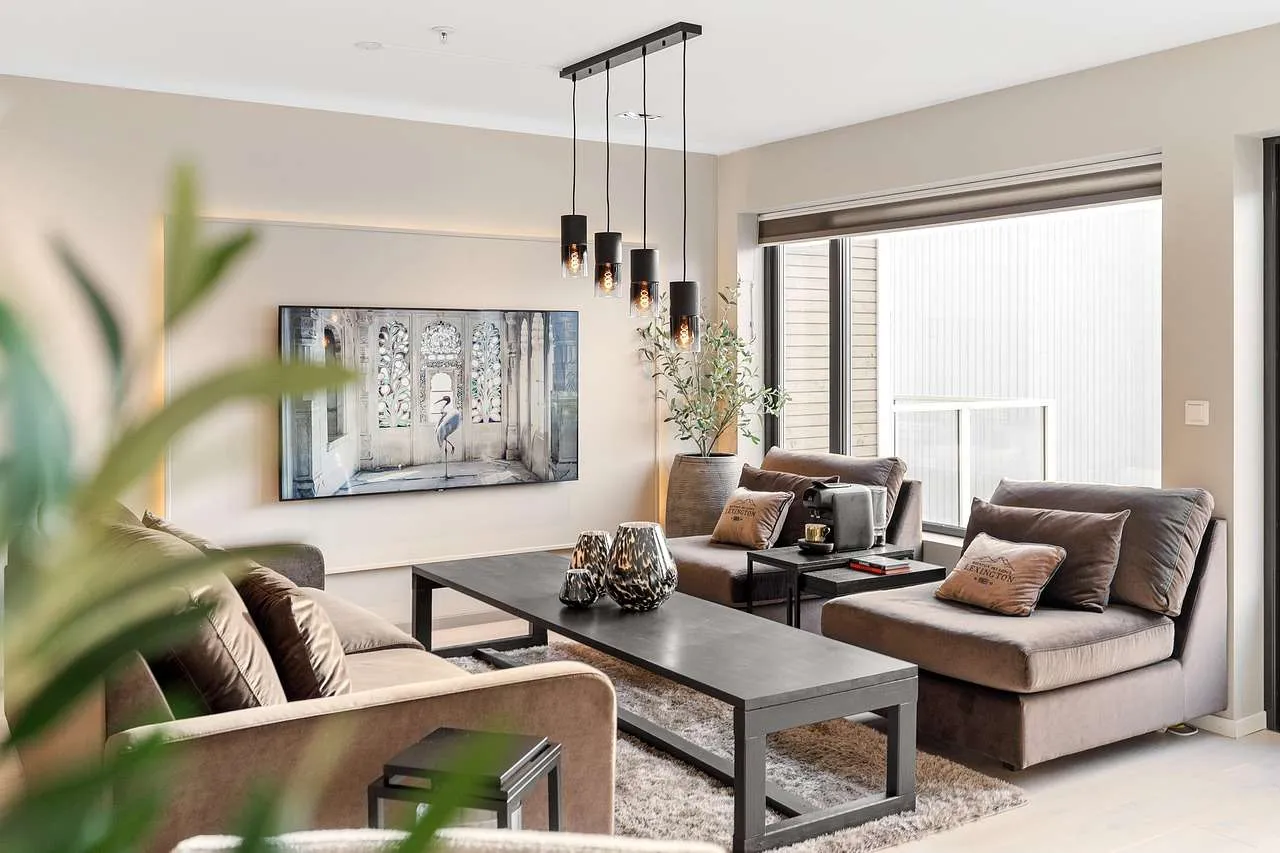
Searching for 'home window tinting near me' often leads you to a mix of contractors, product types, and promises. This guide explains how to evaluate local providers and choose a film that matches your home, climate, and budget.
What "home window tinting near me" means for your home
Residential window films are designed to cut heat, block UV, reduce glare, and add privacy without sacrificing daylight. When you search locally, focus on installers who understand building codes, safety standards, and warranty coverage. The right tint can improve comfort year-round and protect furnishings from sun damage.
Energy savings and UV protection
Even moderate tint can lower cooling loads by reducing solar heat gain. Most modern films block 99% of UV rays, helping prevent fading of floors and fabrics while shielding occupants from skin damage. In sunny rooms, glare reduction makes TVs and screens easier to view without cranking the AC or blinds.
Choosing the right tint provider: EEAT focused tips
Expertise comes from trained installers who can measure your windows, explain film options, and show you samples. Trust is built through transparent pricing, clear warranties, and verifiable client reviews. For trust, ask for a portfolio, confirm licensing where required, and verify that the installer adheres to safety standards.
Credentials and process
Check that the company is licensed or insured as required in your state. Look for manufacturers' certifications, installer training, and a written warranty on both film and labor. A reputable installer will conduct an in-home color sample and provide a written estimate with the expected life span of the film.
Get a thoughtful consultation
During a home visit, expect measurements for each window, analysis of orientation and shading, and a discussion of goals—energy savings, privacy, or safety. Ask about removal of existing film, cleaning, and whether the job requires window frame sealing or surface preparation.
Tint options and what they do
Films vary by light transmission, heat rejection, and durability. Common options include dyed, metalized, carbon, and ceramic films. Each has trade-offs for appearance, electronics, and cost.
Dyed or dyed-metal films
These films are often affordable and reduce glare, but they can fade and offer moderate heat rejection. They may interfere less with signals than metalized films and are a good option for budget-minded projects.
Ceramic and carbon films
Ceramic or carbon-based films provide strong heat rejection without the metallic look. They maintain better clarity, have minimal signal interference, and offer durable UV protection, though they are typically more expensive than dyed films.
Cost, customization, and installation
Costs depend on film type, window size, and the number of panes. Labor can vary with window accessibility, edge sealing, and frame material. Many installers price by square foot or by room. Expect higher prices for premium ceramic or carbon films, and lower prices for basic dyed films. A typical residential project ranges from modest per-square-foot rates to higher end multi-room installations with comprehensive warranties.
Maintenance and safety considerations
Maintenance is simple: clean with non-abrasive cleaners and soft cloths, avoiding ammonia-based products that can degrade some films. For safety, use a professional if you have tempered or multi-pane units, and ensure the installer follows proper handling to prevent glass damage during film application. Most films carry a lifetime warranty against bubbling, peeling, or yellowing when correctly installed.
Comparison of common residential tint options
| Tint Type | Typical Visible Light Transmission (VLT) | UV Rejection | Heat Rejection | Typical Cost per Sq Ft | Pros | Cons |
|---|---|---|---|---|---|---|
| Light dyed or dyed-metal | 30–50% | 99%+ | Moderate | $6–$12 | Affordable; reduces glare | Fades over time; moderate heat rejection |
| Ceramic or carbon film | 20–40% | 99%+ | High | $10–$18 | Strong heat rejection; minimal interference | Higher upfront cost |
| Metalized film | 15–40% | 99%+ | Very High | $8–$15 | Excellent heat rejection; durable | Potential signal interference with some devices; possible tint shift |
When evaluating options, request side-by-side samples, ask about warranty coverage, and confirm the installation time frame. Local installers who publish a showroom or online gallery can help you compare aesthetics before committing.
In practice, many homeowners pair a lower VLT with a ceramic or carbon film to optimize energy savings while preserving natural light and exterior appearance. Always verify compatibility with any security systems or smart-home devices, especially if you live in an area with strict window film regulations or HOA rules.
Finally, schedule the project in a season with mild temperatures to allow film curing without rapid temperature swings. Clear communication about access, preparation, and cleanup ensures a smooth experience from quote to finished tinting job.
Summary: For home window tinting near me, start with reputable installers, verify licenses and warranties, compare film types and expected energy savings, and choose a solution that matches your home’s orientation, climate, and privacy goals. A well-chosen film improves comfort, protects interiors, and adds long-term value while staying within budget.
Related Articles
Home Window Tinting: Save Energy and Comfort
Read More >