Window Tint for Home: A Complete Guide
Date
2026-01-09 20:08:56
Category
Window

What is window tint for home
Window tint for home refers to applying a colored film to glass surfaces to control heat, glare, and UV exposure while preserving views. Modern films are lightweight, durable, and designed to block infrared radiation without darkening interiors excessively. When chosen and installed correctly, window tint for home can improve comfort, reduce energy costs, and extend the life of furnishings.
Benefits of window tint for home
- Energy savings: By reducing solar heat gain, tinted windows lower cooling load in hot months.
- UV protection: High quality films block up to 99% of harmful UV rays, protecting skin and interiors.
- Glare reduction: Softer daylight improves comfort in living rooms and home offices.
- Privacy and security: Some films add privacy and can hold shattered glass in place during impact.
- Aesthetics and resale: A uniform tint can enhance curb appeal and value.
Types of window tint for home
The right film depends on climate, window type, and goals. Below is a quick comparison to help you choose.
| Film Type | Pros | Cons | Best Uses | Approx Cost |
|---|---|---|---|---|
| Dyed film | Affordable glare control | Can fade over time, moderate heat rejection | Budget projects, basic privacy | 1–3 per sq ft |
| Metalized film | Excellent heat rejection, added strength | May reflect light; can interfere with electronics | Sun-heavy rooms, large windows | 2–4 per sq ft |
| Ceramic film | High IR rejection, non reflective, durable | Higher upfront cost | Energy efficiency and comfort, clear appearance | 3–6 per sq ft |
| Hybrid film | Balanced heat control and price | Mid-range performance | Living rooms, kitchens | 2–4 per sq ft |
How to evaluate film performance
Look for the visible light transmission VLT and the solar heat gain coefficient SHGC. A lower SHGC means less heat enters the home. Compare products from reputable manufacturers and check warranty terms and certifications such as NFRC style ratings where available.
Considerations before installation
- Glazing type and age: Single pane, double pane, or insulated units affect installation and long-term performance.
- Climate and orientation: South and west facing windows typically benefit most from tinting.
- Local codes and HOA rules: Some areas restrict reflectivity or require permits, especially for large projects.
- Replacement and maintenance: Films should be cleaned with non-abrasive cleaners and avoided with ammonia-based products that can degrade some films.
- Warranty and installer reliability: Look for certified installers with good reputations and installation workmanship guarantees.
DIY vs professional installation
DIY tint kits exist, but professional installation ensures weather sealing, precise measurement, and a flawless finish. A trained installer also helps ensure compatibility with your glass type and keeps warranties intact.
Costs and return on investment
Prices vary with film type and window area. Typical ranges are roughly 1–6 per square foot for material plus installation. Energy savings depend on climate and usage; many homes recoup a portion of the cost through lower cooling bills over several years, while premium ceramic films offer the best long term comfort.
Maintenance and care
Clean with a soft cloth and a mild soapy solution or a cleaner designed for window films. Avoid abrasive scrubbers and ammonia-based products that can degrade the film over time. Regular inspections help catch edge lifting or bubbling early.
Conclusion, Window tint for home delivers comfort, energy efficiency, privacy, and protection when properly selected and installed. By understanding your goals, evaluating film types, and using a reputable installer, you can maximize comfort, protect furnishings, and maintain resale value while staying within local codes and warranties.
Related Articles
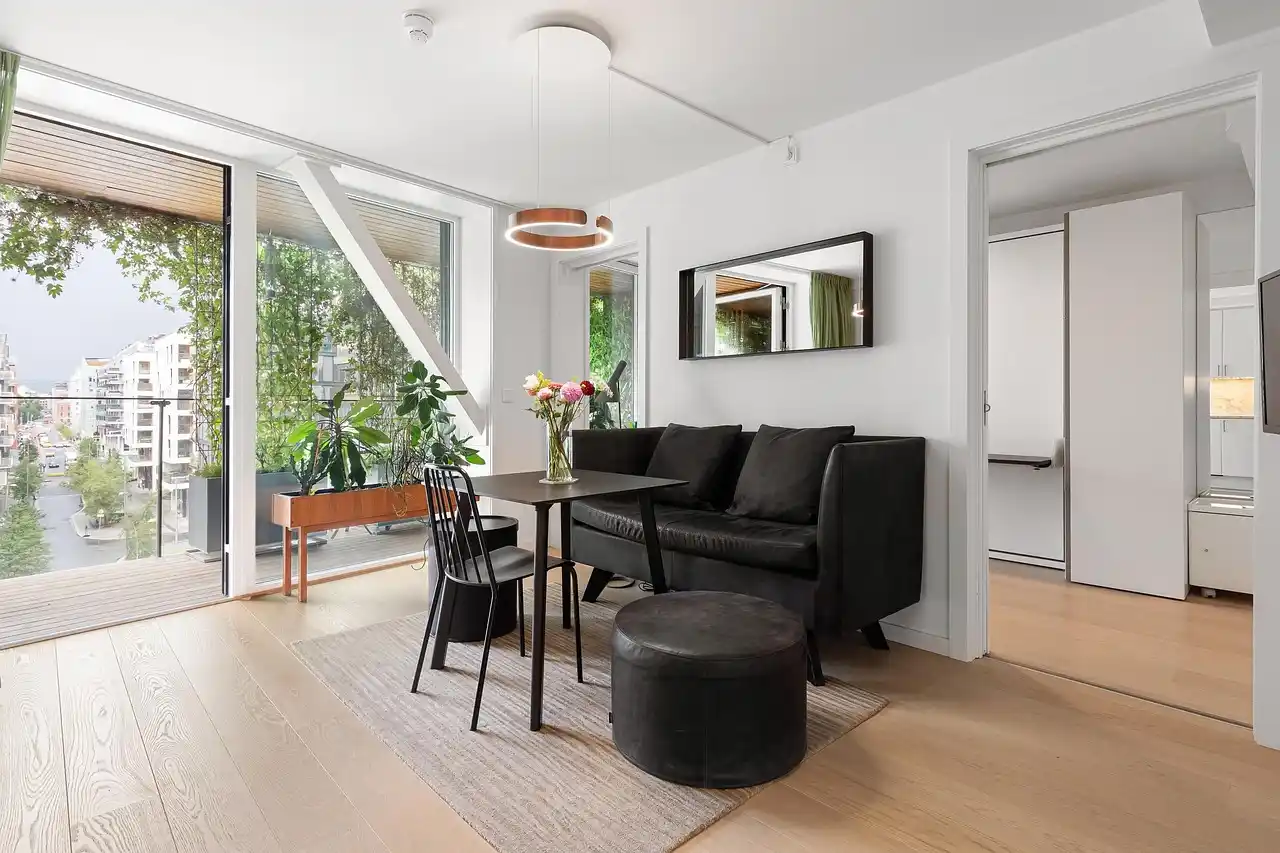
Home Window Repair: Smart Fixes for Your Windows
Read More >
Home Window Tinting: Save Energy and Comfort
Read More >
Home Window Tinting Near Me: Find Quality Tinting
Read More >